The Death of the Conference (and the Rise of the Connected Room)
I’ve attended and run more conferences than I can remember.
Hotel ballrooms. Convention centers. Coffee-and-carpet-cleaner-smelling basements.
I’ve even worked as a coordinator for a few of them back in the early days of my career. We called them “traveling circuses.” Loud, expensive, exhausting affairs. You went, you collected a name badge, a tote bag, and a notebook full of ideas you never opened again.
Was this email forwarded to you? Did a colleague share this in Teams, Slack, or on LinkedIn? Subscribe to Backstory & Strategy to get your own daily strategic insights for free.
A lot has changed in the years since then. But conferences haven’t. Much at all.
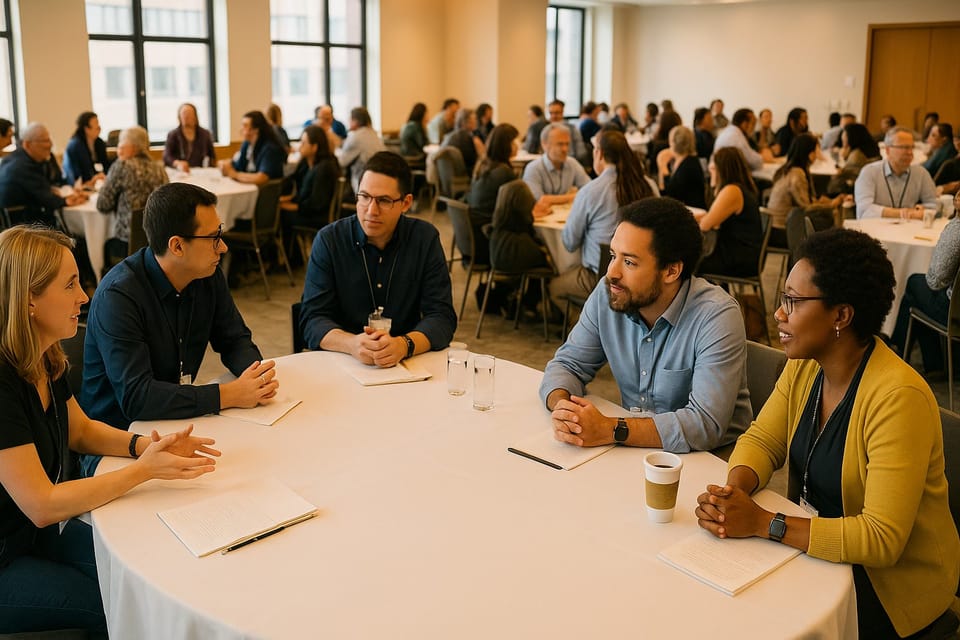
If you go to enough of them, you start to see the same scenes over and over again. A few hundred people crammed into several rooms at a time. Dozens of sessions going on simultaneously. Someone up on a stage scrolling through slides while half the room checks email.
We all smile politely, jot down a few notes, and call it professional development.
That’s not learning. That’s grazing.
 Yoni Greenbaum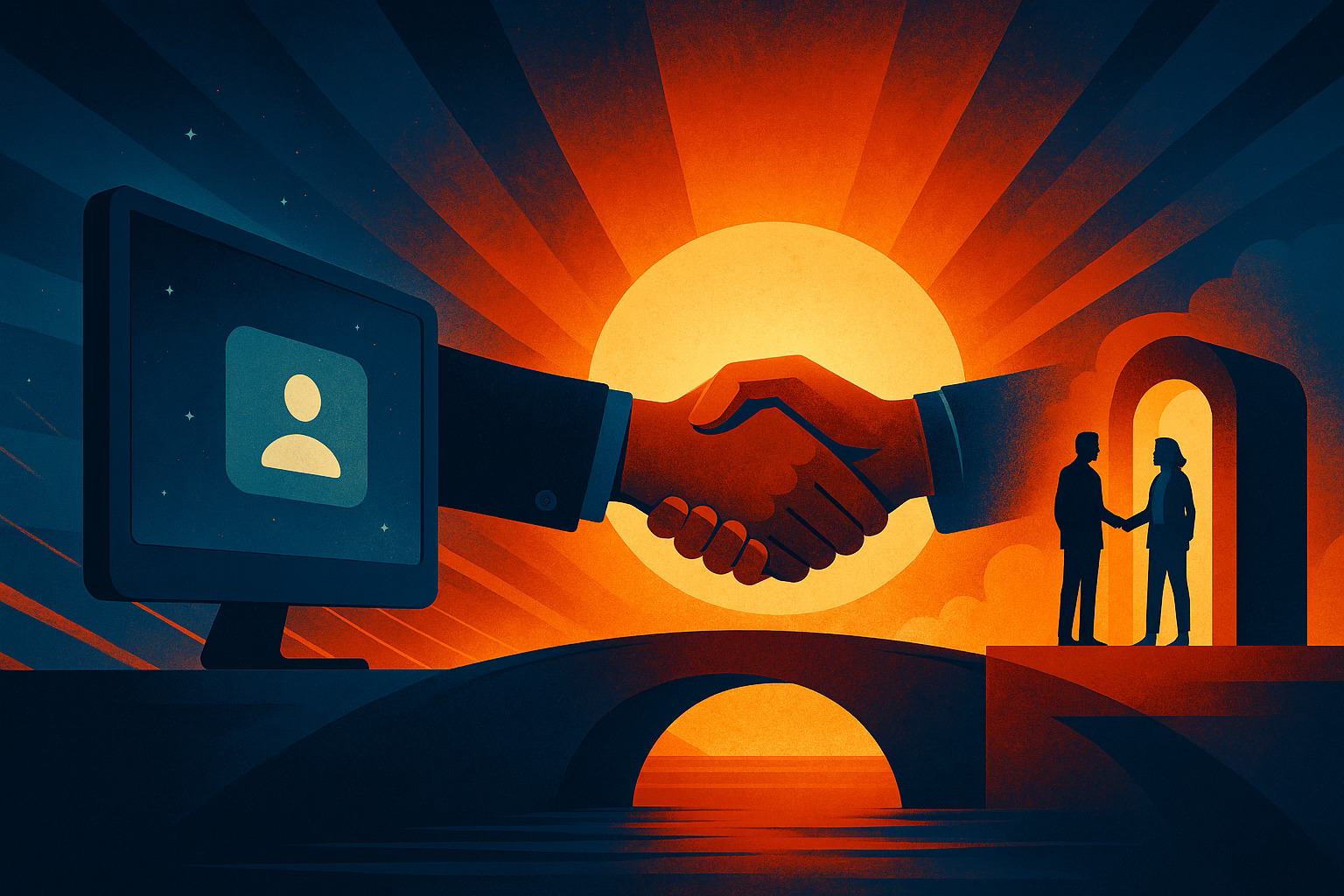
What We Actually Want
People still show up to conferences for information, of course they do.
But they actually want a full meal.
Something to sit with. Something to fill them up.
Conversations that dig deeper than a panel discussion. Conversations with other people who not only understand what the work is supposed to do, but also what the work actually feels like — not just the data but the texture of it all.
That’s what struck me a few weeks ago at the API Local News Summit on Inclusion, Belonging, and Local Leadership in Washington, D.C.
 Yoni Greenbaum
A Room That Worked
The summit was held in D.C. to convene a group of about a hundred people from around the country. Reporters, editors, executives, community leaders. A few hundred others followed along online.
They were all there for the same reason. They cared about the future of local news. They cared about the people they serve. They wanted to learn from each other.
There was a shared intent to the room that made it feel different. It wasn’t about hierarchy or title. It was about purpose.
Every conversation I walked into seemed to build on the one before it. Someone would share a challenge and a few minutes later someone else would pick it up and spin it into a new way of thinking about it.
It felt like the ideas were moving around the room, growing as they went.
No one was performing. Everyone was participating.
It reminded me that alignment is what gives a room its energy. When you walk into a room full of people who are all there for the same reason, the air just feels clearer. The learning sticks.
 Yoni Greenbaum
From Attendance to Appetite
What if we stopped designing conferences around how many people attend and started focusing on why people show up?
So many events still measure success by the number of sessions or the size of the crowd. But the best ones measure it by what happens next.
When people leave with ideas they can use, relationships they can lean on, and a clearer sense of purpose, that’s the real metric.
That’s what I saw in D.C.
It wasn’t about scale. It was about appetite.
The people who were there weren’t grazing. They came hungry.
 Yoni Greenbaum
The Future of Gathering
Maybe the future of the conference isn’t smaller rooms. Maybe it’s clearer purpose.
When people show up to contribute instead of just attend, something shifts. The sessions turn into conversations. The energy lasts longer.
You leave feeling full. Not overloaded. Just full.
That’s what a connected room feels like. And that’s the kind of gathering I want to be part of again.
When’s the last time you left a professional event feeling full instead of drained? What made that possible?
P.S. - If you found this post helpful, would you please consider restacking it and sharing it with your audience?
This spreads the word and keeps me writing the types of content that you have enjoyed.